
Checking Fayette County Criminal History
No single product contains every Fayette County criminal record. Begin with the Clerk of Superior, State and Magistrate Courts online services when the goal is a filed charge, docket event, or disposition. The web docket may show entries without document images. Public terminals and the Criminal Division counter fill that gap. Current custody starts with the sheriff's inmate lookup, while the arresting department keeps its own incident narrative.
Gather a full legal name, date of birth, possible spelling variants, an estimated year, and a case number if known. Those details help separate people with similar names. They also make a copy request more precise. A name match alone is not fingerprint proof, and an initial charge may change before the prosecutor files a case.
- Search the Clerk's court services for the local case and docket.
- Call Criminal Division or inspect a public terminal when images or an older file are missing.
- Check the sheriff channel for current custody or a recent booking.
- Ask the arresting police agency for its incident or arrest report.
- Order a certified disposition or use an official state check when the result requires formal proof.
Fayette County Record Routes
The right route depends on the question. The Fayette County Justice Center holds the court trail, but the Sheriff's Office keeps jail intake and custody material. City departments retain reports they created. Georgia agencies add conviction, prison, and supervision layers.
Georgia Official Background Checks
The Georgia Bureau of Investigation's Georgia Crime Information Center is the central repository. Georgia Felon Search is a public, no-consent name search limited to in-state felony convictions. It costs $15 even when no record is found, and opening each possible matching record costs another $15. It omits misdemeanors, juvenile matters, and restricted data.
A broader self-review uses an identity-confirmed route. Most Georgia sheriff or police departments can provide an own-record copy under local requirements. GCIC also offers appointment-only inspection and fingerprinting. Statutorily authorized fingerprint checks run through Georgia Applicant Processing Service, now operated through IDEMIA/IdentoGO. The requesting agency must provide the service code.
| Georgia Felon Search | $15 per search, plus $15 for each possible record opened. |
|---|---|
| GCIC with supplied cards | $10 for the mailed inspection/correction route. |
| GCIC fingerprints | $25 when GBI takes prints; standalone printing is $15. |
| GAPS Georgia only | $39.99; authorized volunteer rate is $37.99. |
| GAPS Georgia and FBI | $51.99; authorized volunteer rate is $47.99. |
The official Georgia Felon Search source shows where a statewide name check begins.
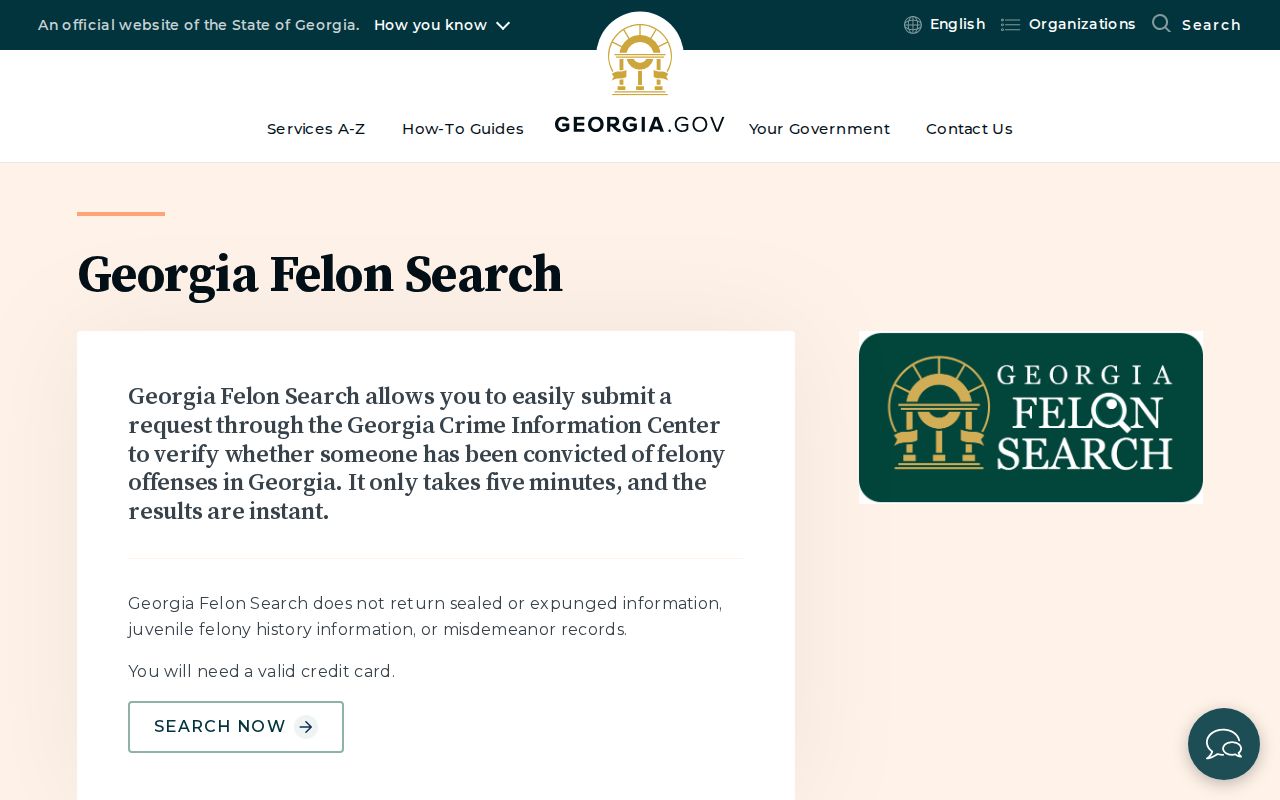
Its narrow felony-conviction scope explains why a Fayette court or sheriff search may still be needed.
Fayette County Felon Search Fields
Georgia Felon Search asks for enough data to narrow a name, but it does not compare fingerprints. Possible matches should be checked against known identifiers and then verified with the originating Fayette County court.
| First name | Required text field. |
|---|---|
| Last name | Required text field. |
| Date of birth | Required date field. |
| Sex | Required selection. |
| Result | Georgia felony-conviction data, not a full national or misdemeanor history. |
For an authorized fingerprint check, the GAPS/IdentoGO appointment source shows the registration path.

That process serves a defined legal purpose and should not be confused with a casual public name lookup.
Criminal Record Types
Fayette County criminal records describe different stages. An incident report tells what an officer recorded. A booking file documents intake and detention. The charging paper states what an officer, prosecutor, or grand jury alleges. The Clerk's case file then records hearings, pleas, judgment, and sentence. GCIC links reported Georgia arrest cycles to later outcomes, but a source can lag.
Custody, supervision, warrants, and registry entries have separate custodians. The Sheriff's Office tracks the county jail. Georgia Department of Corrections tracks state prisoners, while the Department of Community Supervision handles adult felony probationers and parolees. GBI publishes the Georgia Sex Offender Registry from information supplied and verified by responsible agencies.
- Arrest and booking records: agency allegations, intake, bond, and custody status.
- Criminal court files: filed charges, docket events, pleas, disposition, and sentence.
- GCIC history: fingerprint-linked Georgia arrest cycles and reported outcomes.
- Warrants: court-issued commands tracked by courts and law enforcement.
- Corrections and registry records: prison, supervision, and statutory registration data.
Fayette County Jail Records
The Fayette County Sheriff's Office operates the jail at 155 Johnson Avenue in Fayetteville. Its inmate lookup is the first official channel for current custody. The direct endpoint returned a protocol error during research, so no unverified portal fields are claimed. If it fails, call the jail at 770-716-4720 or use the sheriff's records-request route.
Official job materials show that jail staff maintain booking data, commitment sheets, fingerprint cards, warrants, citations, bond-fee invoices, sentence information, GCIC and NCIC transactions, and Offender Management System records. That does not mean every item appears online or is open without redaction. After transfer to state prison, search GDC rather than the county jail.
The Fayette County Sheriff's Office source displays the Inmate Search shortcut and other public resources.

The sheriff also publishes the Fayette County GA Sheriff app for iOS and Android, with alerts, press releases, tips, and an inmate-search route.
Inside a Fayette County Criminal Record
The contents depend on the source. A GCIC history can include identity data, the arresting agency and date, charges, a reported final disposition, and Georgia corrections information. Public copies redact protected identifiers. Court records add the filed accusation or indictment, motions, plea, judgment, and sentence. Read the record by event and source, not as one fixed profile.
| Name & Identifiers | Name, birth date, sex, physical descriptors, SID, and other protected data where authorized. |
|---|---|
| Arrest / Booking Data | Agency, arrest date, intake event, initial allegations, bond, and custody status. |
| Charges & Statutes | Arrest charges may differ from the accusation, indictment, or later amended counts. |
| Disposition | Dismissal, nolle prosequi, acquittal, conviction, or another reported outcome. |
| Sentence | Confinement, probation, fines, restitution, or other court-ordered terms. |
| Custody / Supervision Status | County jail, GDC custody, or DCS supervision where public and current. |
Fayette County Record Terms
Three numbers prevent common mix-ups. The SID identifies a fingerprint-linked person in GCIC. The Offender Tracking Number, or OTN, connects one arrest cycle with later disposition reporting. A court case number identifies the Clerk's file and is not a substitute for either state identifier.
- Disposition
- The court's result, such as dismissal, acquittal, nolle prosequi, or conviction.
- Accusation
- A prosecutor-filed charging document often used for misdemeanors and eligible felonies.
- Indictment
- A felony charging instrument approved by a grand jury.
- Dead docket
- A prosecution postponed indefinitely, not an ordinary final trial result.
- Record restriction
- Georgia's process for limiting public dissemination of eligible history, not destroying it.
Public Access Laws in Georgia
Access follows the custodian and the kind of record. The Georgia Open Records Act governs many agency records. Court files also follow court-access rules. GCIC dissemination has its own criminal-history statutes, while registry publication follows a separate law. A precise written request preserves rights and helps the office identify responsive material.
Key Statutes:
O.C.G.A. §50-18-70 et seq. opens records unless an exemption applies and generally requires a response within three business days.
O.C.G.A. §35-3-34(d.2) permits public release of qualifying Georgia felony-conviction data with enough identifiers.
O.C.G.A. §35-3-35 and GCIC Rule 140-2-.02 govern authorized fingerprint and consent dissemination.
Uniform Superior Court Rule 21 keeps court records public unless access is lawfully limited.
O.C.G.A. §35-3-37 creates the process for restricting eligible arrest-charge history.
Fayette County Records Requests
The county's request hub separates 911 calls, sheriff material, court files, and Board of Commissioners records. One 911 route can cover calls dispatched for the sheriff, marshal, county fire and EMS, Fayetteville police and fire, Peachtree City police and fire, and Tyrone Police. That breadth does not turn the county form into a court-copy form.
Use the Clerk's criminal-copy request for an accusation, indictment, final disposition, or other named court document. It asks for the defendant, case number if known, year, charge, date of birth, document, and return method. Certified and restricted copies cannot be emailed. The general county request form instead asks for contact details and a specific description of the public record sought.
The Fayette County request-routing source makes those custodial lines visible.
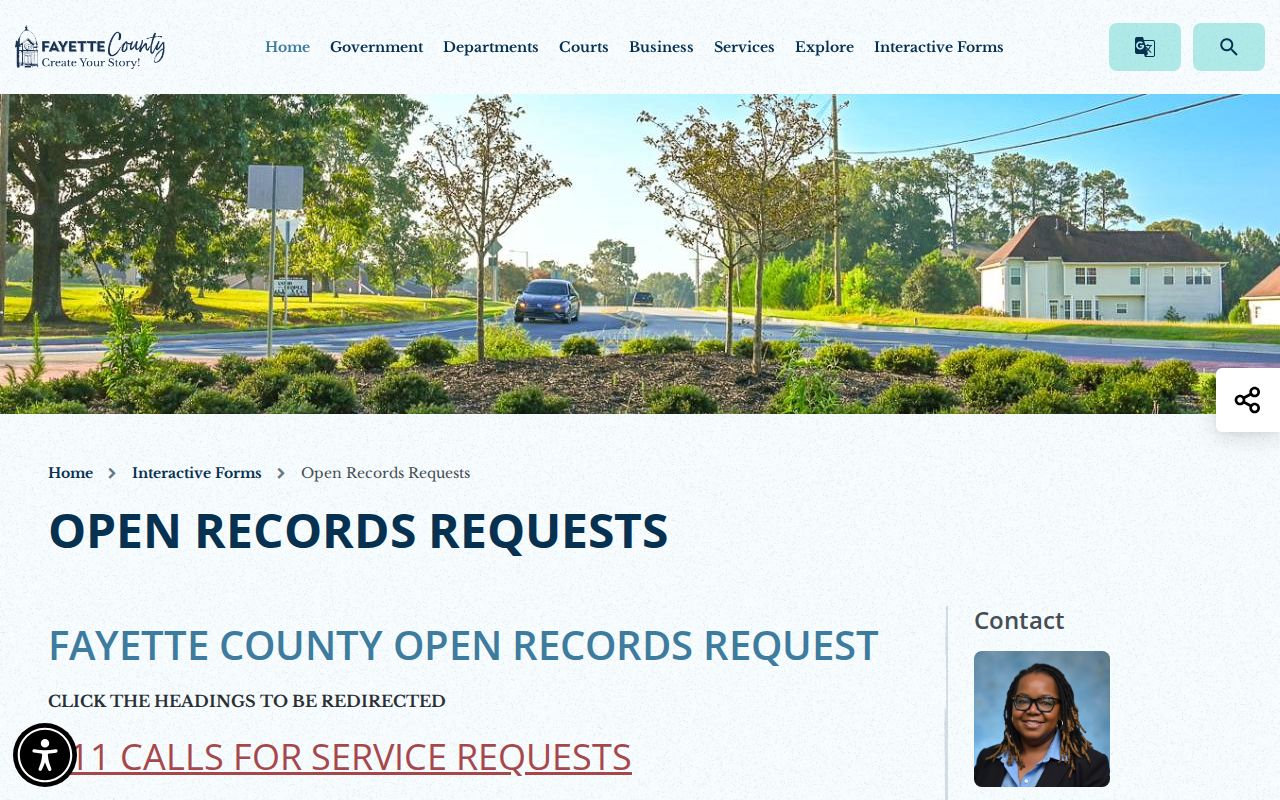
A response, cost estimate, or legal explanation is generally due within three business days, but full production may take longer.
Sealed, Expunged, and Restricted Records
Georgia calls the main process record restriction. It limits ordinary public dissemination of eligible records but does not destroy them. Criminal-justice agencies and courts may retain access. Common nonconviction outcomes that may qualify include dismissal, no bill, nolle prosequi, dead docket, or no further action. A conviction does not fit the basic nonconviction route, though First Offender discharge and newer conviction-restriction laws may offer separate paths.
The arrest date controls the starting office. For an arrest before July 1, 2013, begin with the arresting agency, which forwards the application to the prosecutor. For a later arrest, contact the prosecutor directly. A denial may be appealed to Superior Court within 30 days. When electronic updating is unavailable, an approved package goes to GCIC with a $25 certified check or money order. Verify the result in both the GCIC history and the local Fayette display.
Fayette County Warrant Trail
A warrant can leave records in more than one place. Magistrate Court handles warrants and early criminal process. The Sheriff's Warrant Division tracks service and can be reached at 770-716-4770. A bench warrant tied to a missed court event may also appear in the Clerk's docket. Sealed and juvenile warrants are not public.
Silence in one database is not proof that no warrant exists. A person resolving an own warrant should confirm the issuing court, the wanting agency, and any bond or appearance instructions. Do not treat an arrest entry, a possible-warrant flag, and a final disposition as interchangeable documents.
Fayette County Custody and Supervision
County jail custody ends as the controlling source after a person transfers to state prison. The Georgia Department of Corrections offender source accepts a name and description, GDC ID, or case number.
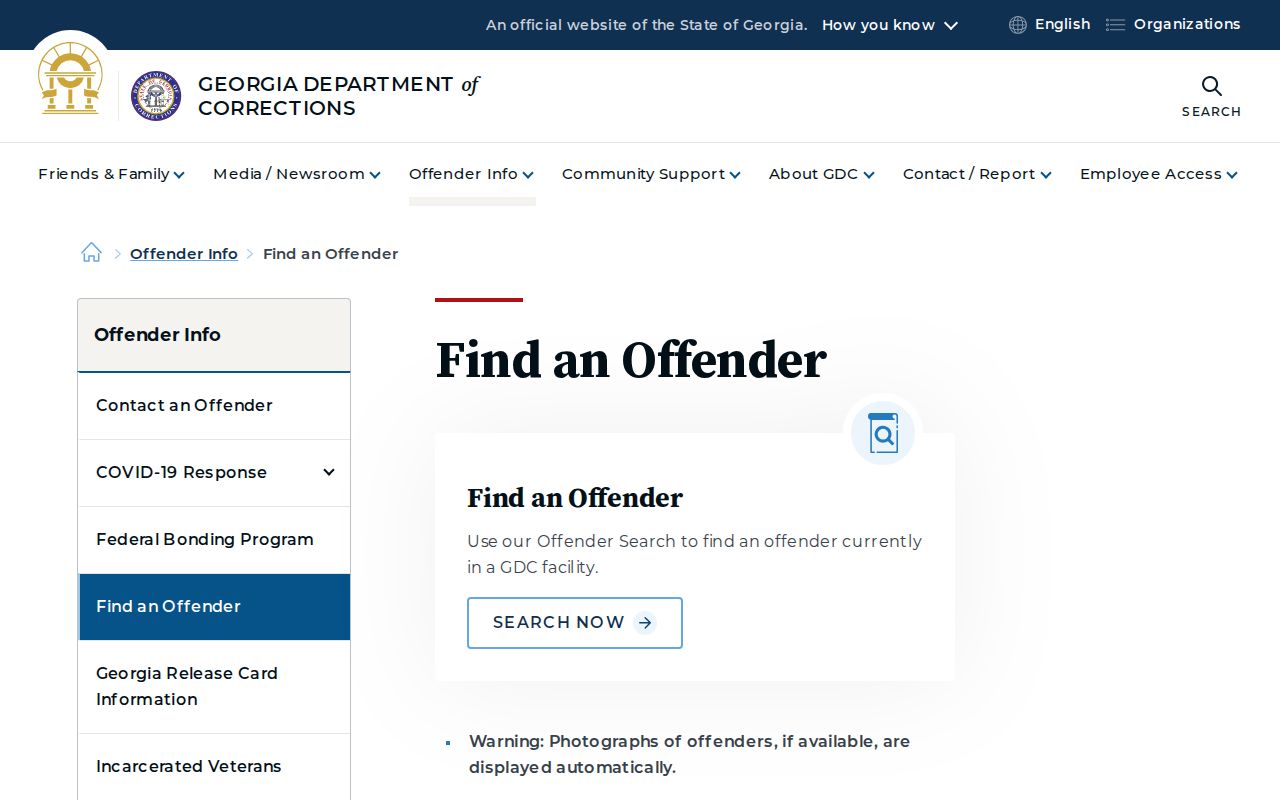
GDC data concerns sentenced state offenders and should be checked against the court judgment when the exact sentence matters.
Adult felony probation and parole supervision runs through the Georgia Department of Community Supervision. The DCS Griffin office source confirms service for the Griffin Judicial Circuit, including Fayette County.
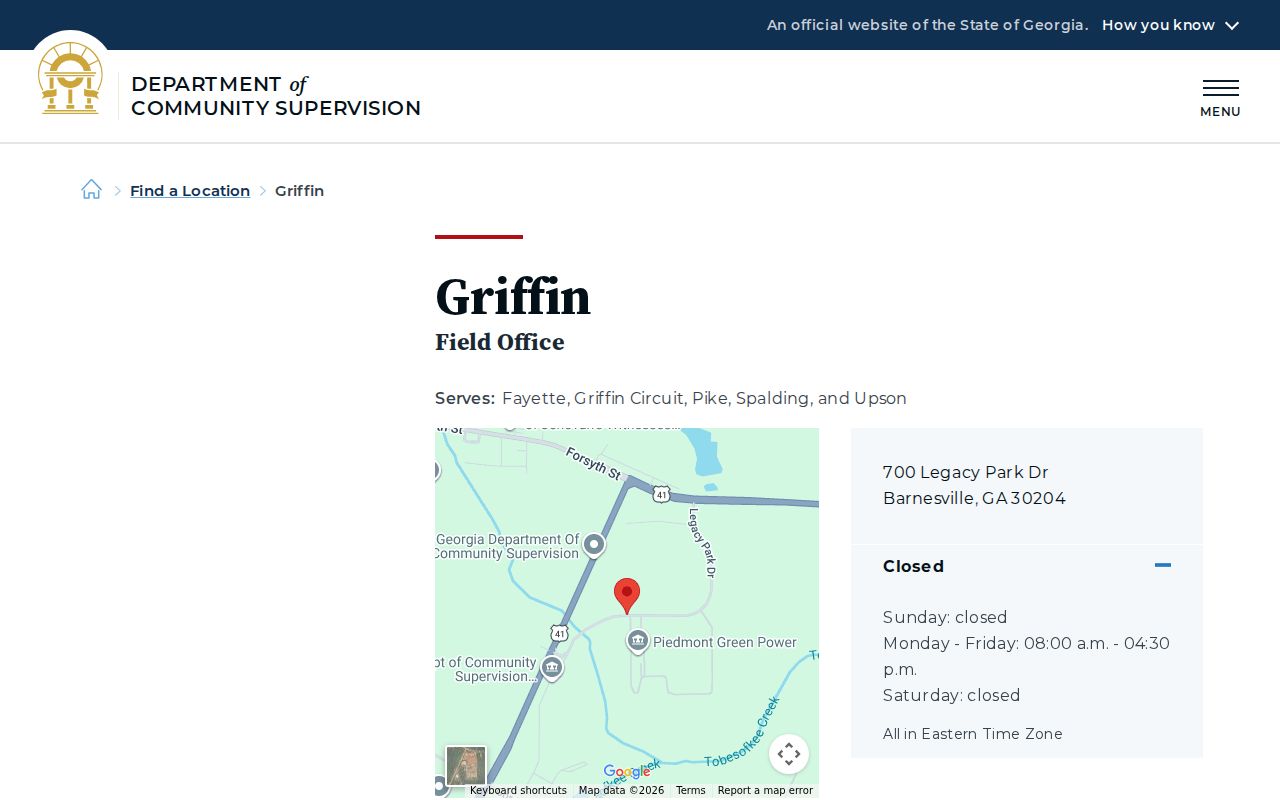
Local or private providers may supervise misdemeanors, so the sentencing court remains the best first check for that arrangement.
The State Board of Pardons and Paroles makes parole and clemency decisions. Its official parole authority source explains that role.
A tentative parole month is not a guaranteed release date, and DCS performs supervision after release.
Fayette County Criminal Records by City
City police departments keep reports they create, while municipal courts keep their traffic and ordinance files. Peachtree City uses NextRequest for police records and routes citations among several courts. Fayetteville publishes police-report and Municipal Court request channels. Tyrone offers police, Municipal Court, and local criminal-history request information. A city arrest may still lead to a Fayette County jail booking and a county court case.
Peachtree City Criminal Records
42,908 · Police records use NextRequest, while citations may route to city, county, or juvenile court.
Fayetteville Criminal Records
20,177 · Police reports and Municipal Court records have distinct online and form-based routes.
Tyrone Criminal Records
8,057 · Police and Municipal Court channels include a local CHRI request form.
Fayette County Court Outcomes
Superior Court hears felony cases. State Court hears misdemeanors and traffic matters, while Magistrate Court handles warrants and preliminary steps. The same event can therefore leave an early Magistrate paper trail, a jail booking, and a later Superior or State Court file. Municipal matters may never appear where a reader expects a county criminal docket.
Fayette State Court also publishes DUI/Drug and Veterans treatment programs. These accountability courts can shape the path of an eligible case, but their existence does not mean each person with a substance-related or service-related issue qualifies. The filed docket and final disposition remain the sources for what occurred in a specific case. For full filing stages and copy options, use the Fayette County criminal court cases resource.